
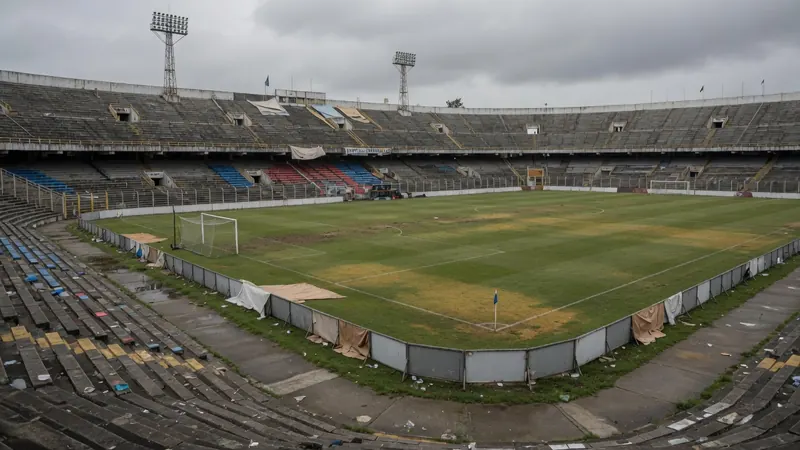
Brazil’s nationwide prohibition on fixed-odds betting has begun to hit football sponsorship in state competitions. The Rio Grande do Sul Football Federation (FGF) has projected that the 2027 Gaucho Championship will lose around 60% of its revenues after betting sponsors exited, according to iGaming Today. The expected shortfall would reduce payments to clubs and limit the federation’s ability to cover competition costs and services.
Provisional measure banned betting and advertising
The Brazilian government introduced a provisional measure on 25 September 2026 banning the operation, offering, intermediation and advertising of fixed-odds betting, including sports betting and online gaming, Better Collective said in a regulatory update. The measure entered into force immediately and allowed licensed platforms a 10-day transition period before shutdown. It is now before Congress; its initial 60-day validity runs until 23 November 2026 and may be extended once for a further 60 days. Congress could approve, amend, reject or allow the measure to lapse. Better Collective noted the federal market had 85 authorised companies as of 24 September 2026, each holding a five-year authorisation after paying an R$30 million fee.
FGF projects 60% revenue decline
The FGF’s preliminary forecast suggests that losing betting revenue could remove around 60% of the 2027 championship’s revenues. President Luciano Hocsman said the competition can continue without betting operators, but current commitments and benefits need to be reviewed, particularly for smaller clubs from the interior of the state. Hocsman said: “There will probably be some impact. The contract was supported by the betting companies and they are now trying to restructure their contract with our partner.”
Club payments and federation services at risk
The lost revenue is expected to reduce payments to clubs and make it harder for the FGF to cover competition expenses and continue providing services to clubs. Hocsman said the federation’s ability to exempt clubs from paying certain contracts and to cover referee costs will shrink. The second division, Série A2, could also be affected, with fewer exemptions from competition fees and sponsorship arrangements for broadcast on the federation’s FFTV system. Smaller affiliated teams that rely on extra support may face additional burdens.
Betting sponsorship had driven commercial growth
Before the ban, betting partnerships helped push commercial income higher. The championship sold naming rights to a fuel station network from 2016 to 2024, then reached a deal with betting brand Superbet for the 2026 season. iGaming Today reported that the earlier Ipiranga naming-rights contract was worth 220% more than the Superbet arrangement when the two contracts’ final seasons were compared. The television contract value rose 1000% from 2023 to 2026 after the FGF signed an agreement with sports marketing agency Brax.
Broadcasting deals face new uncertainty
Brax secured broadcasting rights based on sponsorship deals with betting companies and later with a television channel, with a package that included cash, commercial goods, advertising boards and on-air promotions. The agency also has ties with the Brazilian Football Confederation, the South American Football Confederation and 12 top-flight clubs, including Grêmio, Internacional and Flamengo, according to information on Brax’s website cited by iGaming Today. The projected 2027 revenue loss means the FGF will have to rethink how it allocates resources for the next championship, and the effects may reach broadcasting arrangements tied to betting spending.